Italy
Italy 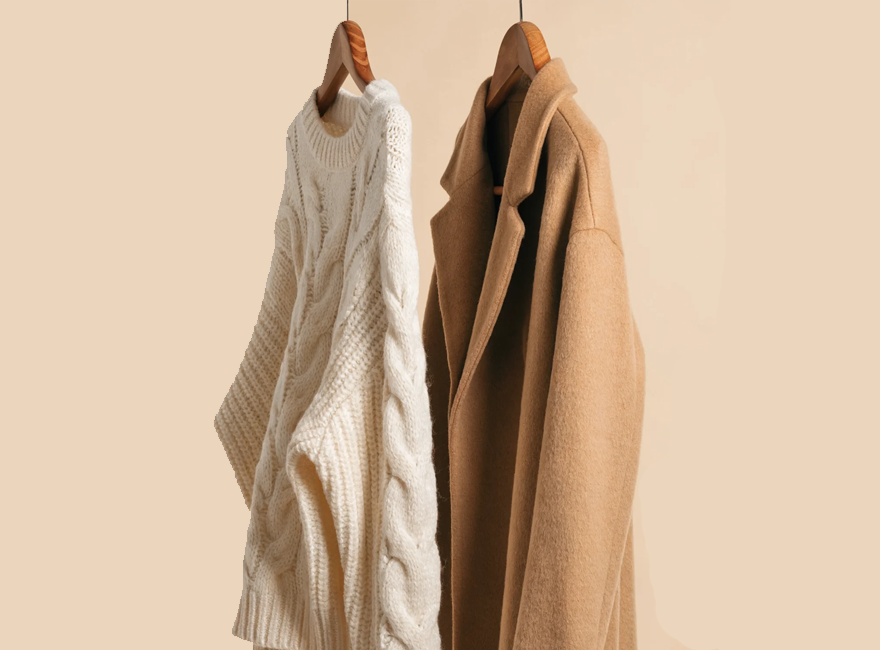
AW26 Outerwear and Knitwear: What's Worth Ordering Early
Nobody wants to think about wool coats in August. But the shops that do the best winter numbers are the ones placing orders now, while the good stuff is still on the rail. By the time the first cold snap hits, the best AW26 outerwear and knitwear has usually gone, and you're left picking from what everyone else passed on.
So here's a quick, honest run through what's worth your money this season, plus a couple of things I'd leave alone.
Outerwear: where the money is
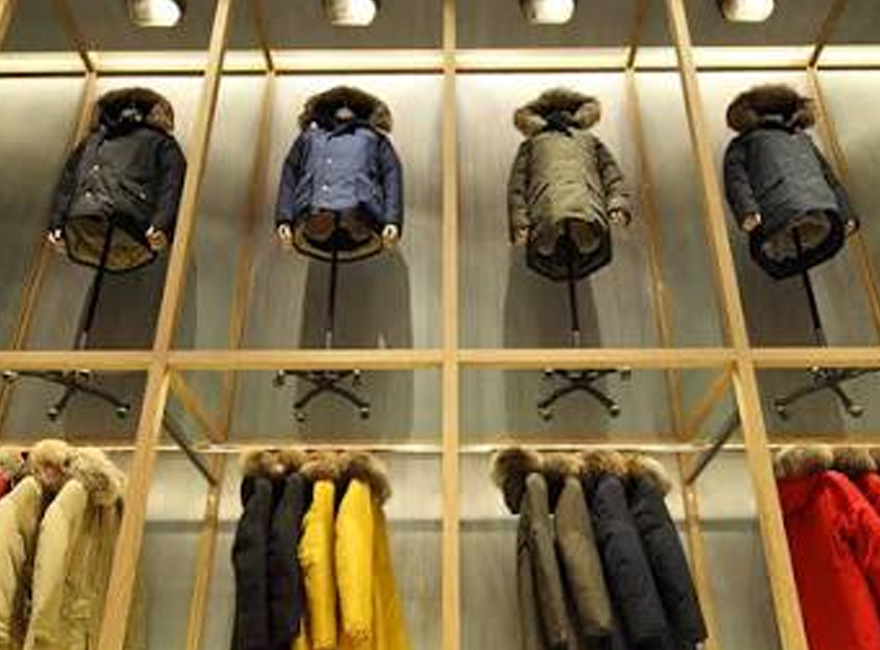
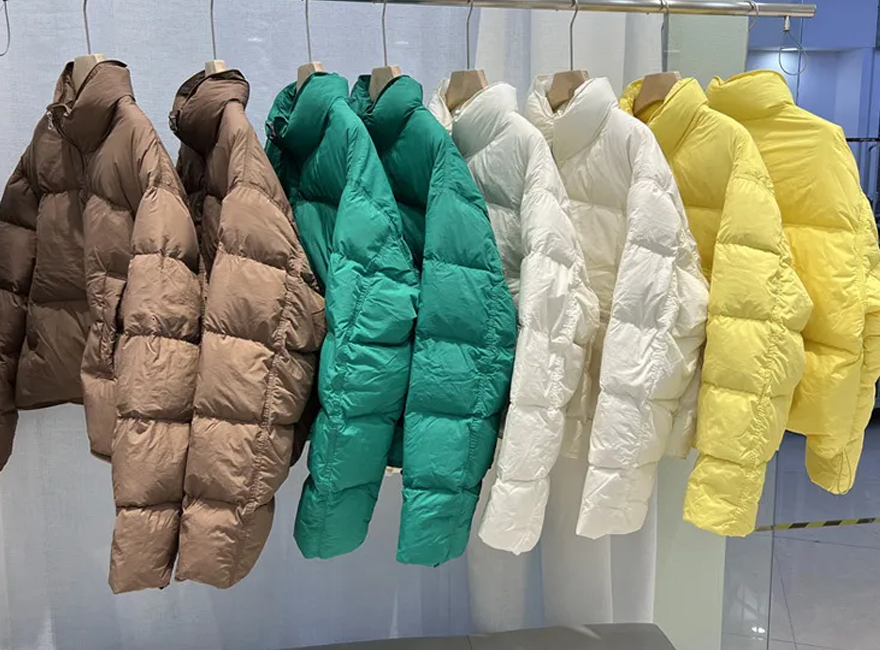
Puffers still do the heavy lifting. They sell themselves. A customer doesn't need you to explain a puffer, and they'll wear it half to death. For AW26 the colours have moved off black toward deep green, brown, a bit of plum, and recycled-fill versions are worth stocking if your shoppers ask about that sort of thing. Plenty don't, so don't over-order on the eco angle alone.
Wool coats are the opposite bet. Slower to sell, but a good camel or grey longline coat holds its price and rarely gets marked down. One that photographs well will do more for your window than three cheap black ones.
Then there are shackets, which come into their own in that in-between stretch in September, when it's too warm for a coat but nobody wants to be cold. Brushed wool or cord, quilted if you can get it, and they layer well enough to move on their own. Faux fur I'd treat as a small, fun order rather than a core line. It looks great in photos and sells to a certain shopper, but it's a want, not a need, and it dates faster than the rest.
Knitwear: the quiet earner
Knitwear is where a lot of small shops actually make their winter margin, because the price-to-wear ratio is so good. A chunky jumper someone wears twice a week feels like value even at full price.
Stock the basics deep: roll-necks, crews, a few V-necks in soft yarns. Cardigans earn their space because people layer them over almost anything, which makes them the safe sell for a customer who isn't sure what they want yet. Knit dresses are a smaller bet, but an easy one. One warm piece and the customer's sorted.
If you can find blends in decent wool or organic cotton at the right price, flag it on the label. Just be honest about it. Shoppers can tell the difference between a real wool blend and something that pills after two washes, and so can you when the box arrives.
Buying it without overpaying
It's quietly a good moment to be a small shop. In its 2026 wholesale trends report, the platform JOOR found that "specialty stores and independent boutiques have gained notable market share in recent years" — the independents are taking ground back from the big chains. That edge only holds, though, if you buy the right stock at a price that still leaves you room to move.
Which is the whole reason to look at off-price rather than full trade. On Bundlex you're buying brand-name winter stock below the usual wholesale rate, so you can price competitively and still come out ahead. Have a look through the [brands we carry](https://www.bundlex.com/en/our-brands/) before you commit the winter budget — it's easier to build a rail that hangs together when you can see it all in one place.
Conclusion
You don't need to stock everything. Pick a few coats you actually believe in and go deep on the knitwear. The one thing I wouldn't do is wait — the good ranges thin out fast, and there's no prize for ordering late.
Sources
- JOOR, "Top 5 Trends in Wholesale for 2026" (2025) — "specialty stores and independent boutiques have gained notable market share in recent years." https://www.joor.com/insights/wholesale-industry-trends